
On this page
Replacing an engine air filter is worthwhile when it is due, damaged or no longer suitable for service. Choosing a washable alternative is a separate cost decision. The comparison depends on the part that fits the engine, the cost and frequency of disposable replacements, and whether the owner intends to keep the vehicle long enough to clean and reuse the new filter.
A promise that a filter will pay for itself through fuel savings needs scrutiny. Modern engine controls make that argument different from the older carbureted-car example. The published product price below and the clearly labeled calculations help compare purchases without assigning a universal filter interval, mileage improvement or labor charge to every vehicle.
Key figures
- $68.99 K&N 33-5048 washable filter
- 75,000 miles K&N cleaning mileage limit, normal highway use
- 5 years K&N cleaning time limit, normal highway use
A published washable filter costs $68.99 before extras
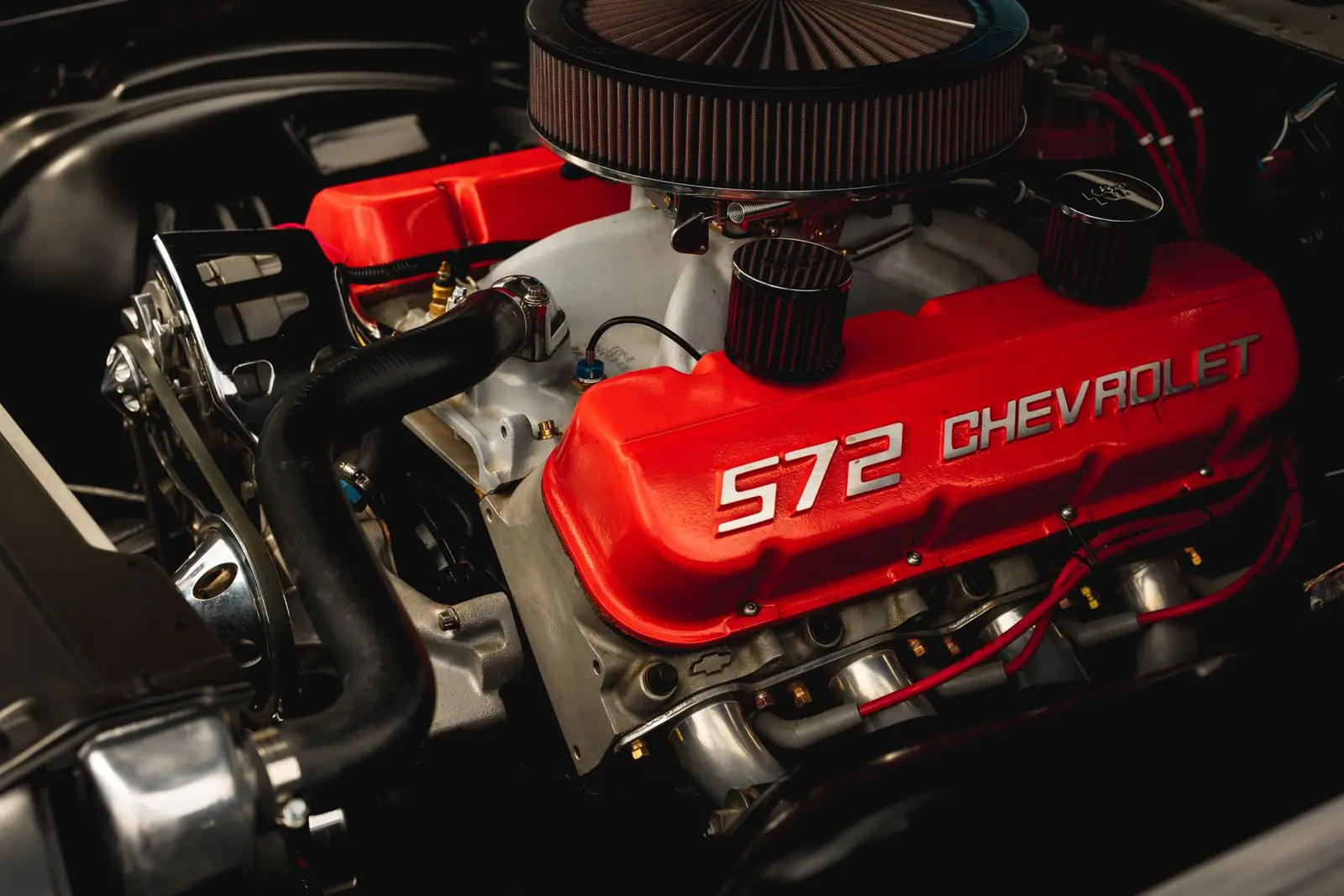
K&N’s US product page lists part 33-5048 at $68.99. The application is the Nissan Titan XD with a 5.0-liter V8 diesel engine; verify year and engine fitment before ordering. The rectangular oiled-cotton element is not the round filter shown in this guide’s illustrative engine photograph.
| Manufacturer example | Published specification | Cost implication |
|---|---|---|
| K&N 33-5048 | $68.99 | Filter purchase price, before tax or other costs |
| Package quantity | 1 filter | One package is not a universal multi-filter set |
| Listed height | 1.5 inches | Fitment matters more than visual resemblance |
| Listed length × width | 12.563 × 8.5 inches | Compare the catalog application, not a guess from size |
| Normal-highway cleaning guidance | Up to 75,000 miles or 5 years | Not an interval for every environment or disposable filter |
Source note: K&N’s US manufacturer page for 33-5048, checked October 2026. Dimensions and cleaning guidance describe this product; the price is not an installed service quote.
The maintenance budget guide places filter purchases alongside other scheduled expenses. A higher initial price can be affordable without being the least expensive choice over the time the driver keeps the car.
Modern cars do not justify the purchase through MPG claims
DOE’s FuelEconomy.gov guidance says replacing a clogged filter on fuel-injected, computer-controlled gasoline or diesel engines does not improve fuel economy, although acceleration can improve. Its older carbureted-engine example differs. Applying that older vehicle’s fuel-saving claim to a modern car creates a misleading payback calculation.
This does not make the engine filter optional. The element filters incoming air, and its condition and the manufacturer’s schedule remain reasons for replacement. The economic error is assigning a fuel saving that the evidence does not support. A cleaner intake path and a documented service requirement answer different questions from annual fuel dollars saved.
For example, an assumed annual fuel bill of $2,000 does not establish a $200 saving from buying a new filter. That figure would require a demonstrated 10% reduction, which DOE’s modern-vehicle guidance does not support. Leave such a saving out of the budget rather than using it to offset the purchase price.
The disposable comparison depends on future replacements
Consider a hypothetical disposable filter costing $20 and an assumed total cleaning-material cost of $10 during the comparison period. These are assumptions, not market averages or K&N’s advertised cleaning-kit price. The washable filter and that cleaning allowance total $68.99 + $10 = $78.99, excluding labor, tax and shipping.
Three disposable purchases cost $60, leaving the washable option $18.99 more expensive. Four cost $80, putting it $1.01 below the assumed disposable total. Five cost $100, widening the difference to $21.01. The fourth purchase is the break-even point only under these assumptions and only if the same washable filter can still serve the vehicle.
If two cleaning cycles instead use $20 in materials, the reusable total becomes $88.99 and does not fall below four $20 disposable purchases. Five would then be needed. If the driver sells the car before those purchases occur, the projected saving is never realized. Count future replacements the owner would otherwise pay for, rather than replacements already purchased in the past.
Avoid charging the reusable option with labor while assuming all disposable replacements are free to install, or the reverse. Use the same approach for both. The cost of time can be a deciding preference even when it is not assigned an hourly rate in the arithmetic.
Dust and the vehicle schedule change replacement needs
Honda’s 2026 Pilot manual lists air-cleaner element replacement under item 2 and gives a 15,000-mile interval for dusty driving. That is a model-specific example, not a universal disposable-filter rule or a requirement for the K&N Nissan application. It shows why a highway-use comparison can change when the car operates on dusty roads.
K&N’s up-to-75,000-mile or five-year normal-highway cleaning statement also has conditions. Do not treat it as permission to ignore the filter until the limit, or transfer it to another product. Inspect and maintain the element according to the product instructions and the vehicle’s requirements. A torn or poorly fitting element needs a different decision from an intact element reaching a normal service point.
Ask the shop to show the filter when it recommends replacement. The finding should concern the engine intake element, rather than a cabin filter photographed elsewhere in the car. The cabin-filter cost guide explains that second purchase and its schedule; paying for one does not document that the other was serviced.
The quote names the part, labor and rejected alternatives
An estimate should identify the engine, part number, disposable or reusable construction and installation charge. Ask whether a replacement recommendation follows the schedule or an observed condition, and whether another fault is being investigated. A filter replacement is not a diagnosis for every acceleration complaint or warning light.
For an assumed $20 part plus $25 installation, the job is $45 before other costs. If a second quote offers $35 installed for the same specified disposable part, the difference is $10; compare its inclusion of tax and fees before accepting that number as a final saving. These figures illustrate quote arithmetic and are not provider rates.
Arrange professional assessment when the car has a warning or a running problem. A scheduled air-filter purchase does not establish the cause, and a washable-filter upgrade should not be sold as the cure without supporting findings.
The services sold too early guide helps connect a sales recommendation to evidence. Retain the invoice or product record so the next inspection can establish which element was installed and whether it is intended for cleaning or disposal.
Questions people ask
Will a new engine filter save fuel in a modern car?
DOE says replacing a clogged filter on modern fuel-injected gasoline or diesel vehicles does not improve fuel economy, though acceleration can improve. Do not budget a promised MPG saving.
Is $68.99 a universal washable-filter price?
No. It is K&N's published price for 33-5048, a fitment-specific Nissan Titan XD diesel application. Other engines need other parts.
When does washable cost less than disposable?
With an assumed $20 disposable filter and $10 total cleaning cost, the $78.99 washable option falls below four disposable purchases at $80. Different prices, cleaning needs and ownership periods change that calculation.
Are the engine and cabin filters the same purchase?
No. The engine filter serves the intake system; the cabin filter serves ventilation. Part fitment, access and schedules differ.
Where these figures come from
- 33-5048 Replacement Air Filter: US Price and Specifications K&N · knfilters.com
- Keeping Your Vehicle in Shape: Air Filters and MPG US Department of Energy · fueleconomy.gov
- 2026 Pilot Air-Cleaner Service and Dusty Driving American Honda · techinfo.honda.com
- Auto Repair Basics Federal Trade Commission · consumer.ftc.gov
Figures last checked October 2026.