On this page
The pre-purchase inspection is the cheapest insurance in the whole transaction, and it is the step most often skipped, usually because the car is an hour away and the seller has another buyer coming at four.
The Federal Trade Commission’s advice is unambiguous: have the vehicle inspected by an independent mechanic before you buy, and do it even if the dealer has already inspected it or the car is sold as certified. The report should be written, should identify the car by VIN, and should include estimates for the repairs it recommends.
What it is not
It is not a guarantee, and it is not a search for reasons to say no. A used car will always have a list. The inspection turns an unknown list into a priced one, which is the only way to know whether the asking price is reasonable.
It also is not a substitute for a history report, and the history report is not a substitute for it. One tells you what was reported to the government, the other tells you what the car is like underneath.
What a proper inspection covers
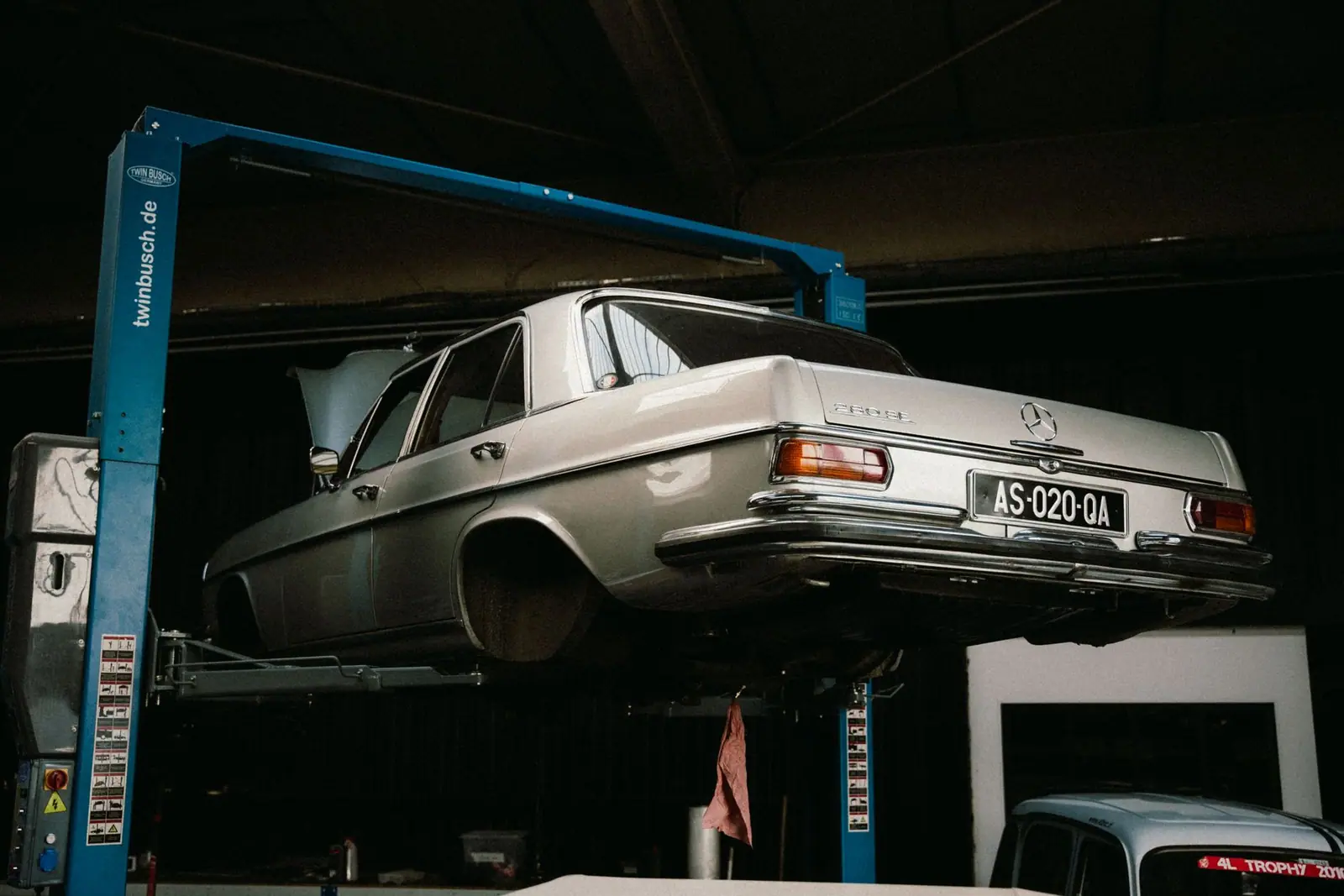
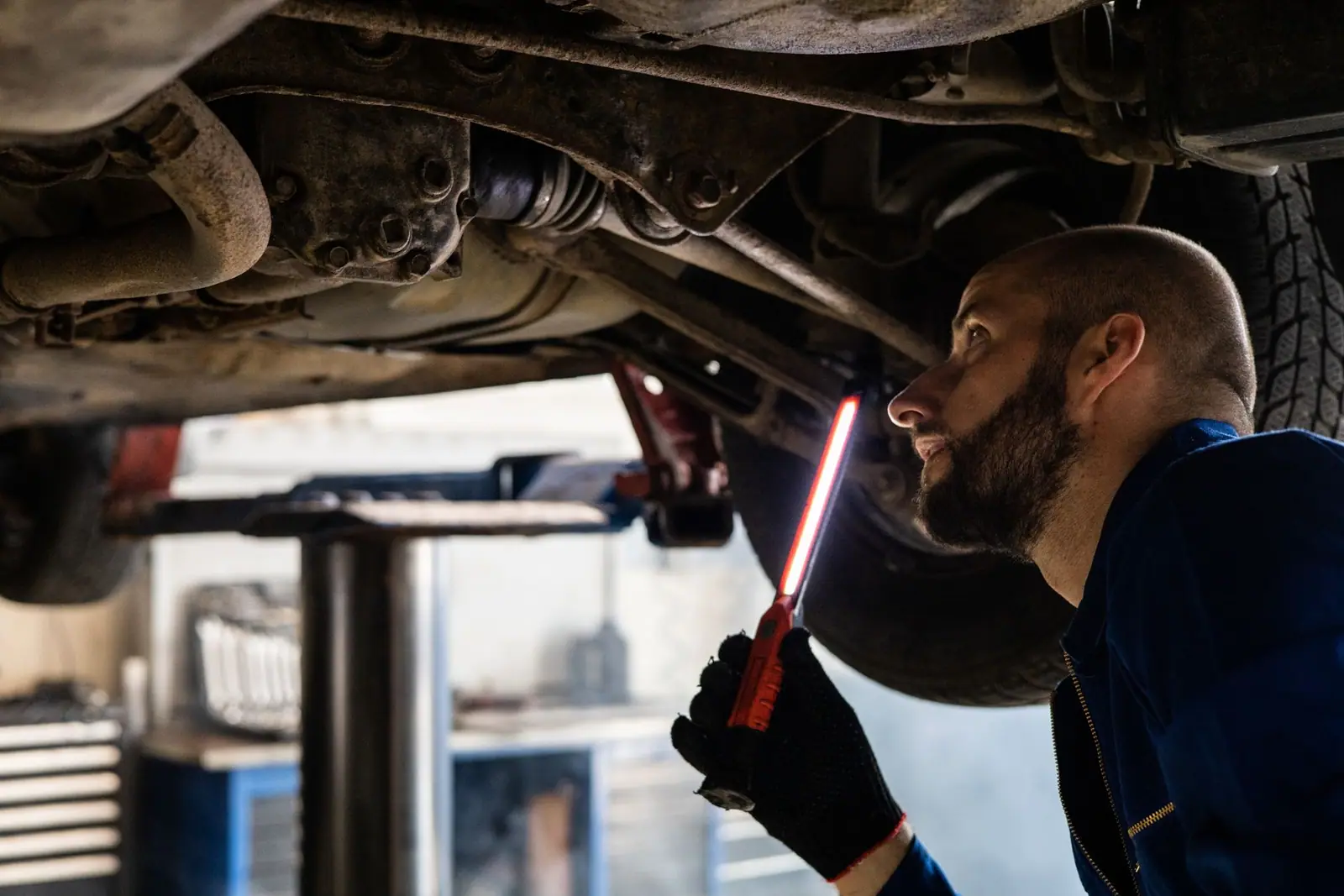
- On a lift. Frame and unibody condition, corrosion, evidence of collision repair, exhaust, fuel lines, brake lines.
- Fluids and leaks. Engine oil, coolant, transmission, differential and transfer case where fitted, power steering, brakes. Where each one is leaking from, not just that it is.
- Brakes and tyres. Pad and rotor measurements, tyre depth across the tread, tyre age from the date code, and whether the tyres match.
- Suspension and steering. Bushings, ball joints, shock and strut condition, wheel bearings.
- Cooling system. Pressure test, radiator and hose condition, signs of head gasket trouble.
- Electronic scan. Stored and pending fault codes, readiness monitors, and whether codes were recently cleared.
- Battery and charging. Load test and charging voltage.
- Road test. Cold start behaviour, gearshift quality, braking, noises under load, straight-line tracking.
- Paint and panel gaps. Paint thickness readings show repainted panels, which point to repairs the seller may not have mentioned.
The scan tool detail that matters
Ask specifically whether the readiness monitors are complete. If somebody cleared fault codes shortly before the sale, the monitors reset and take a number of drive cycles to run again. A car presented for sale with every monitor incomplete and no stored codes is a car whose faults may simply have been erased that morning.
Arrange the inspection at a shop you chose, not one the seller suggests. Take the car there yourself if you can. A dealer who will not release a car for an independent inspection during business hours has answered your question about the car, and about the dealer.
How to use the report
The list that comes back will contain three kinds of item, and they belong in different columns.
- Deal breakers. Structural corrosion, evidence of significant collision repair, flood damage, a failing engine or transmission, mismatched VIN plates. Walk away; there is another car.
- Priced negotiation. Tyres at the wear bars, brakes due, a leaking gasket, suspension components. Get the estimate in writing and present the total, not a vague complaint. You are not asking for a discount, you are asking the seller to pay for work the car needs today.
- Notes for later. A timing belt due in 10,000 miles, tyres with two seasons left. These do not change the price but they belong in your budget for the first year.
The private sale version
Private sellers are not covered by the Used Car Rule, so there is no Buyers Guide and no dealer standing behind anything. That makes the inspection more important, not less, and it makes two extra checks worth doing:
- Match the VIN on the windscreen, the door jamb and the title document, and confirm the seller’s name matches the title.
- Ask for maintenance records. A folder of receipts is worth real money, and its absence is worth a real discount.
The inspection is also the polite way to keep a friendly transaction honest. “My mechanic will look at it on Tuesday” is an easier sentence than a list of doubts.
An inspection is one part of the used-car buying review, alongside the sale documents. A VIN and title-history check addresses records that a mechanical inspection cannot establish by itself.
Questions people ask
Is a pre-purchase inspection worth it?
In almost every case. It costs a fraction of one repair and converts an unknown list of future work into a priced one. The FTC recommends an independent inspection on any used car, including certified pre-owned vehicles the dealer has already inspected.
Can I get a car inspected if the dealer says no?
You can ask, and if a dealer refuses to release the car to an independent shop during business hours, treat that as the answer. Some will allow a mobile inspector to come to the lot instead, which is a reasonable compromise.
What should a pre-purchase inspection include?
Time on a lift for structure and leaks, brake and tyre measurements, suspension and steering, a cooling system check, an electronic scan including readiness monitors, a battery test, a road test and a look for repainted panels. Ask for it in writing with estimated costs.
Is a certified pre-owned car already inspected?
It has been inspected by the seller, which is not the same as being inspected by somebody working for you. The FTC advises an independent inspection even on cars sold as certified.
Where these figures come from
- Buying a Used Car From a Dealer Federal Trade Commission · consumer.ftc.gov
- Auto Repair Basics Federal Trade Commission · consumer.ftc.gov
- 49 CFR 574.5, Tire identification requirements Electronic Code of Federal Regulations · ecfr.gov
Figures last checked September 2026.